Venerables
Maria Antonia di Gesù
Biography
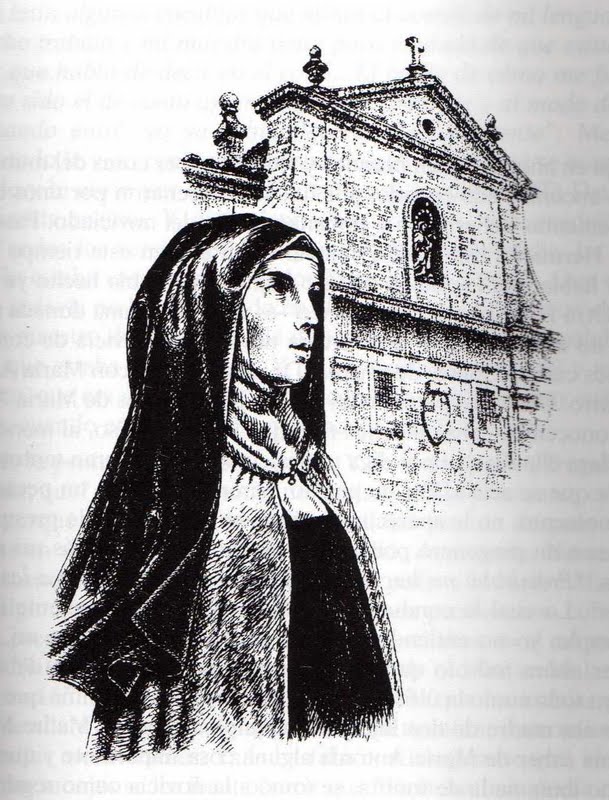
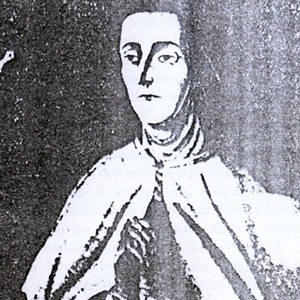
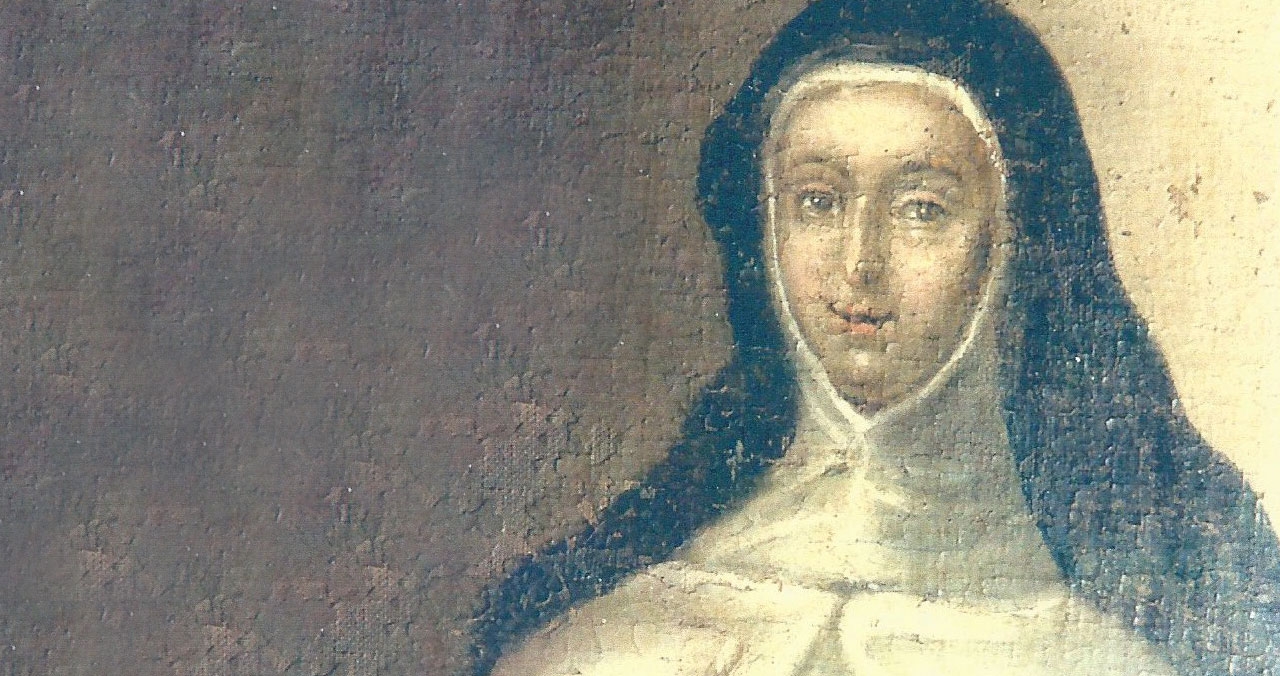
Maria Antonia of Jesus was born in Cuntis, Archdiocese of Santiago de Compostela (Spain), on the 6th of October, 1700.
She was educated from an early age to have a deep faith and to work. The sufferings endured and the graces received in childhood foreshadowed a future mysticism. In the year 1722, the day of the feast of St. Joseph, to whom she was very devoted, she was married. After the birth of two children and the emigration of her husband for economic reasons, she heard the Lord’s invitation to follow him. She did so, with a life of total self-renunciation, in continuous prayer and in absolute availability to the Lord’s action. She was enriched with gifts of various mystical phenomena that also manifested themselves outwardly: although illiterate, for example, she could read and write without the help of teachers.
She was endowed with such apostolic dynamism that she brought to God all those she met on her journey. Witnesses to all this were her husband, children, and a group of young girls, some of whom consecrated themselves to God in religious institutes. She reached the peak of her spiritual life in 1729, after numerous purifications and graces.
On March 19, 1734, she consecrated herself to God, and so did her husband. She entered the monastery of Santa Maria del Corpus Christi in Alcalá de Henares (Madrid). In 1748, together with other sisters, she went to Santiago de Compostela to found a Carmel there. She died there on March 10, 1760.
On November 29, 1997, the decree of validity was granted for the diocesan inquiry into her life, virtues and reputation for holiness.
The decree on heroic virtues was promulgated on November 7, 2018.
Procedure
1. The canonical norms concerning the procedure to be followed in the Causes of Saints are stated in the Apostolic Constitution Divinus Perfectionis Magister promulgated by John Paul II on 25 January 1983 (AAS LXXV, 1983, 349-355).
2. To initiate a Cause it is necessary that at least five years pass after the death of the candidate. This is to allow for greater balance and objectivity in the evaluation of the case and to allow the emotions of the moment to decant. There must be a clear conviction among people about his/her sanctity (fama sanctitas) and about the efficacy of his/her intercession with the Lord (fama signorum).
Iconography