Servants of God
Teresa Camilla di Gesù Bambino
Biography
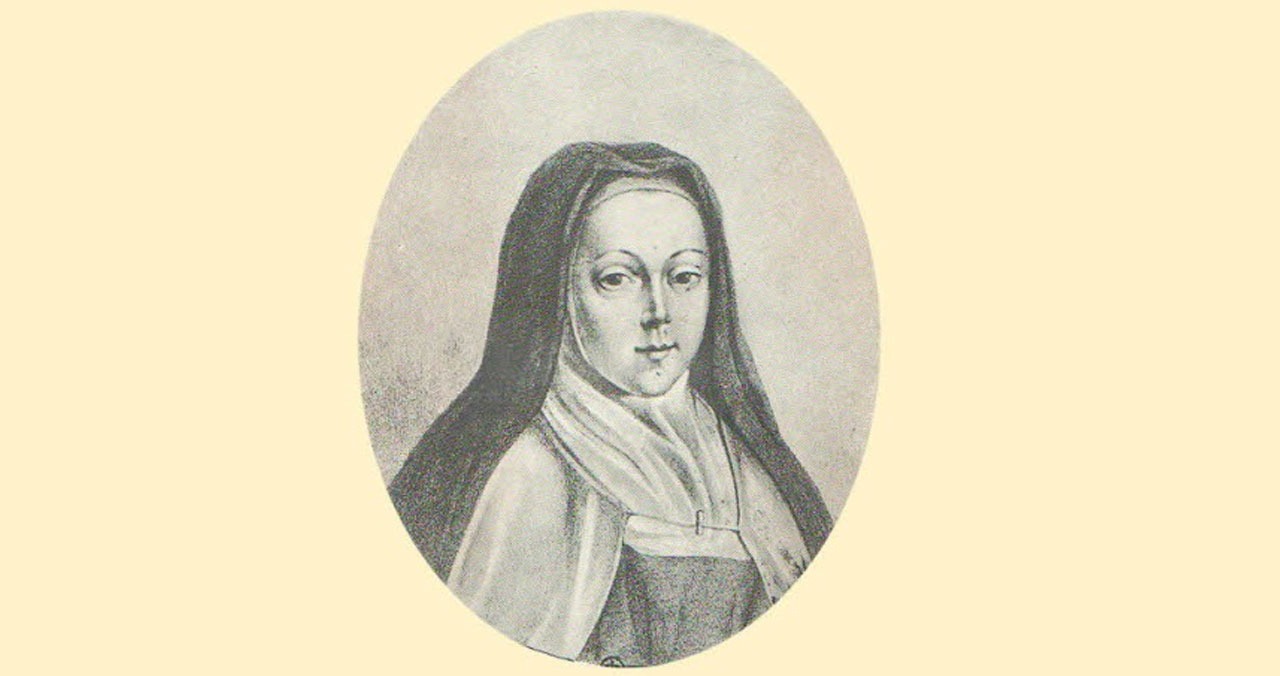
Thérèse Camille of the Child Jesus was born in France in 1757, the daughter of the Marquis de Soyécourt.
At the age of 16 she decided to enter a monastery, but had to face opposition from her parents who wanted her to marry. She waited until she came of age to enter Carmel.
The beginnings of monastic life were hard, being an austere life.
In 1792, during the French revolution, the nuns were expelled from their convent. They settled in small groups in apartments and continued their monastic life. Many were arrested, including Sr Thérèse Camille, who was released after a period of imprisonment. At the end of this forced exile she returned to Paris and founded an underground religious community.
In 1796, her whole family having died during the revolution, she inherited the properties and began to finance in many ways the clergy, the nuns out of prison or in conditions of poverty. In 1797, she bought the Carmelite convent and installed her «clandestine» convent there, which would become «the fulcrum of all French Carmel».
For supporting Pope Pius VII and the «black» cardinals, Mother Camille was exiled at Napoleon Bonaparte’s pleasure from 1811 to 1813. Back in Paris, she continued her work to restore Carmel and support the clergy, as well as other religious communities. In 1845 she sold the Carmelite convent to the Archbishop of Paris and settled with her sisters in a new convent founded especially for them.
She died on May 9, 1849, at the age of 91.
The Diocesan Inquiry into her «life, virtue and reputation for holiness» was opened in 1938.
Procedure
1. The canonical norms concerning the procedure to be followed in the Causes of Saints are stated in the Apostolic Constitution Divinus Perfectionis Magister promulgated by John Paul II on 25 January 1983 (AAS LXXV, 1983, 349-355).
2. To initiate a Cause it is necessary that at least five years pass after the death of the candidate. This is to allow for greater balance and objectivity in the evaluation of the case and to allow the emotions of the moment to decant. There must be a clear conviction among people about his/her sanctity (fama sanctitas) and about the efficacy of his/her intercession with the Lord (fama signorum).