Blessed
Giuseppa Naval Girbes
Biography
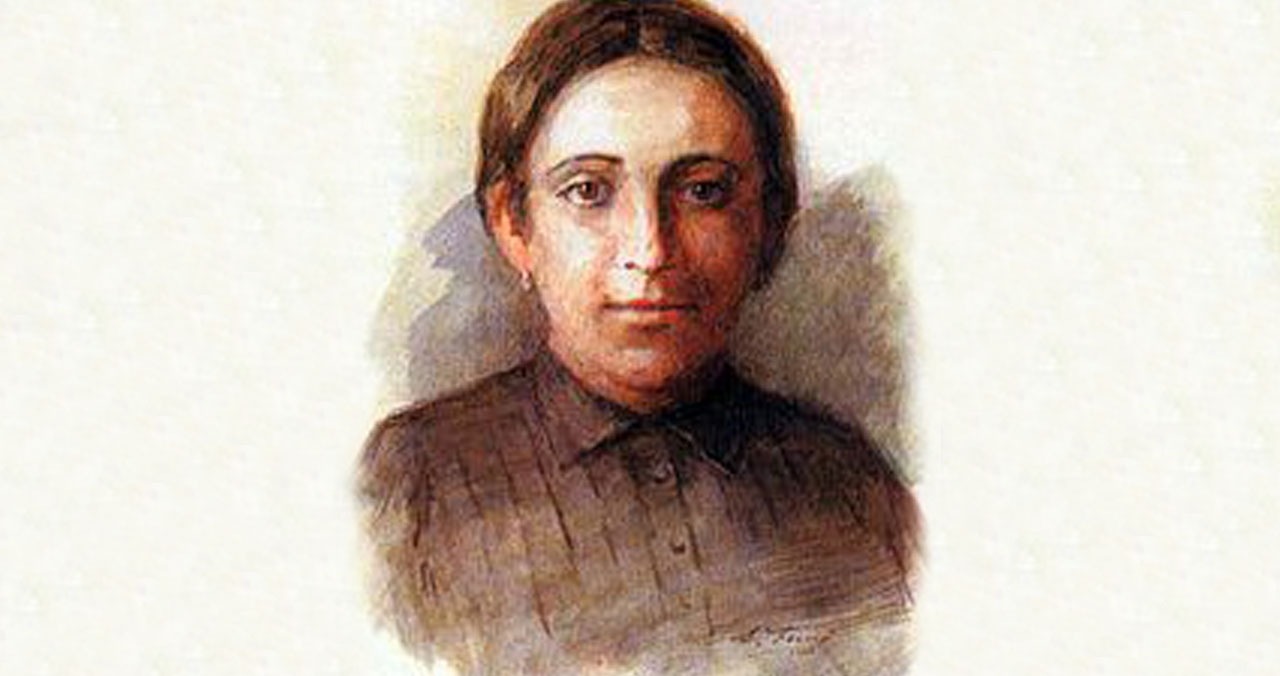
Maria Josefa was born on December 11, 1820, 32 kilometres from Valencia. She was the eldest of five children of Francisco Naval and Josefa Maria Girbés. At the age of eight she received the sacrament of Confirmation and at nine made her First Communion. Since there was no public school she was able, only for a short time, to attend one managed by the Chapter of the Cathedral of Valencia, where she learned embroidery very well and to read a little, but not to write.
On June 13, 1833, her mother died and, having left school, she had to take care of her father and siblings, welcomed by her uncle Joaquín and grandmother Vicenta. Faith and piety grew with age and at 18 she made a vow of perpetual chastity. On July 27, her grandmother also died and therefore she had to take over the leadership of the house and take care of her father, uncle and brothers.
She became a member of the Fraternity of the Secular Order of the Discalced Carmelites in the Valencia monastery. Great was her love for Our Lady of Mt Carmel, St. Teresa of Jesus and St. John of the Cross. Her spiritual life grew in the warmth of the doctrine and experience of the Carmelite Saints and became a demonstration of how holiness could develop in every state of life, including the secular state.
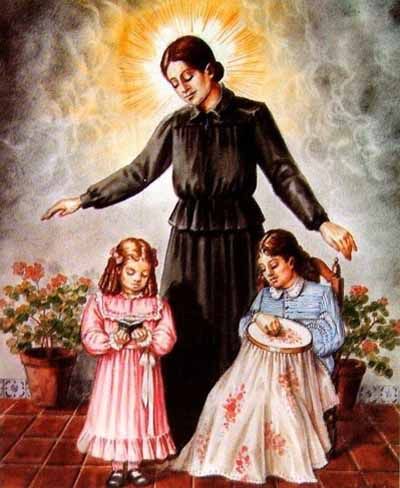
In 1850, now mature in the life of prayer and in the practice of virtue, she felt an inner urge to offer others the riches of her soul. With the permission of the parish priest, she began to gather her friends for readings, conversations and spiritual insights. She taught the art of embroidery to the girls of the city for free and so her house becomes a laboratory and a school of spirituality. Catechism was taught, children were prepared for First Communion, there was collaboration in parish initiatives and young people were introduced to marriage or religious life. Above all, there was practice of meditation, the exercise of union with God and active participation in the liturgical life and social initiatives of the parish.
In 1877, with some friends, she deepened her initiatives, planning days of retreat in a country house. In 1891, her always precarious health began to deteriorate due to some heart ailments. She died on February 24, 1893. She was buried with the Carmelite habit, as she had expressly requested during her lifetime.
The beatification ceremony took place on September 25, 1988.
Procedure
1. The canonical norms concerning the procedure to be followed in the Causes of Saints are stated in the Apostolic Constitution Divinus Perfectionis Magister promulgated by John Paul II on 25 January 1983 (AAS LXXV, 1983, 349-355).
2. To initiate a Cause it is necessary that at least five years pass after the death of the candidate. This is to allow for greater balance and objectivity in the evaluation of the case and to allow the emotions of the moment to decant. There must be a clear conviction among people about his/her sanctity (fama sanctitas) and about the efficacy of his/her intercession with the Lord (fama signorum).
Iconography